
That's the whole reason OUDY exists.
We'd been collecting for years — buying from the big houses, the souq stalls, the online sellers with Arabic script on the label. Some of it was good. Most of it was diluted, blended, or three steps removed from the forest it claimed to come from. Nobody could tell us who harvested it. Nobody could name a region smaller than a country.
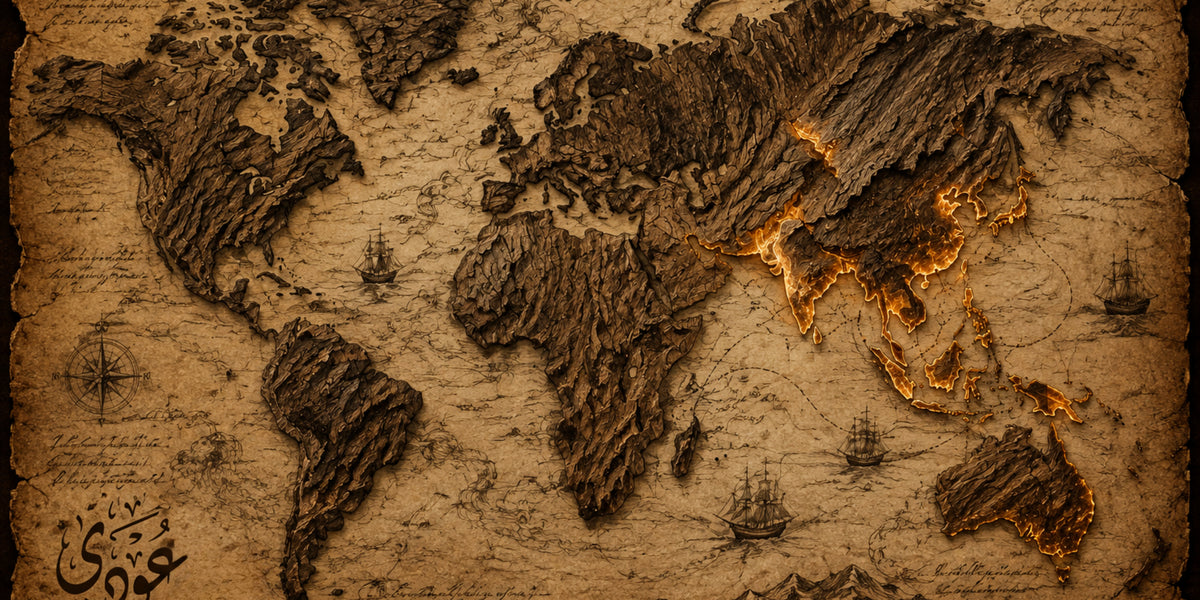
So we stopped asking sellers and started flying to sources. Assam. Nagaland. Terengganu. Kalimantan. Adam Jungle. We sat with distillers, watched wood burn, learned to read resin, and slowly built the relationships that make this catalog possible.
Everything on this site comes from someone we know by name.
Across the World. One Obsession.
You can't learn oud from a supplier catalog. You learn it standing in a distillery, or picking through a Terengganu batch until your hands smell like the wood for two days.
So that's what we did. Assam. Nagaland. Adam Jungle. Terengganu. Kalimantan. The Bhutanese highlands. Mindanao. Brunei. Papua New Guinea. Every origin we carry, we've smelled at the source — because every origin has a fingerprint, and you only learn to read it in person.
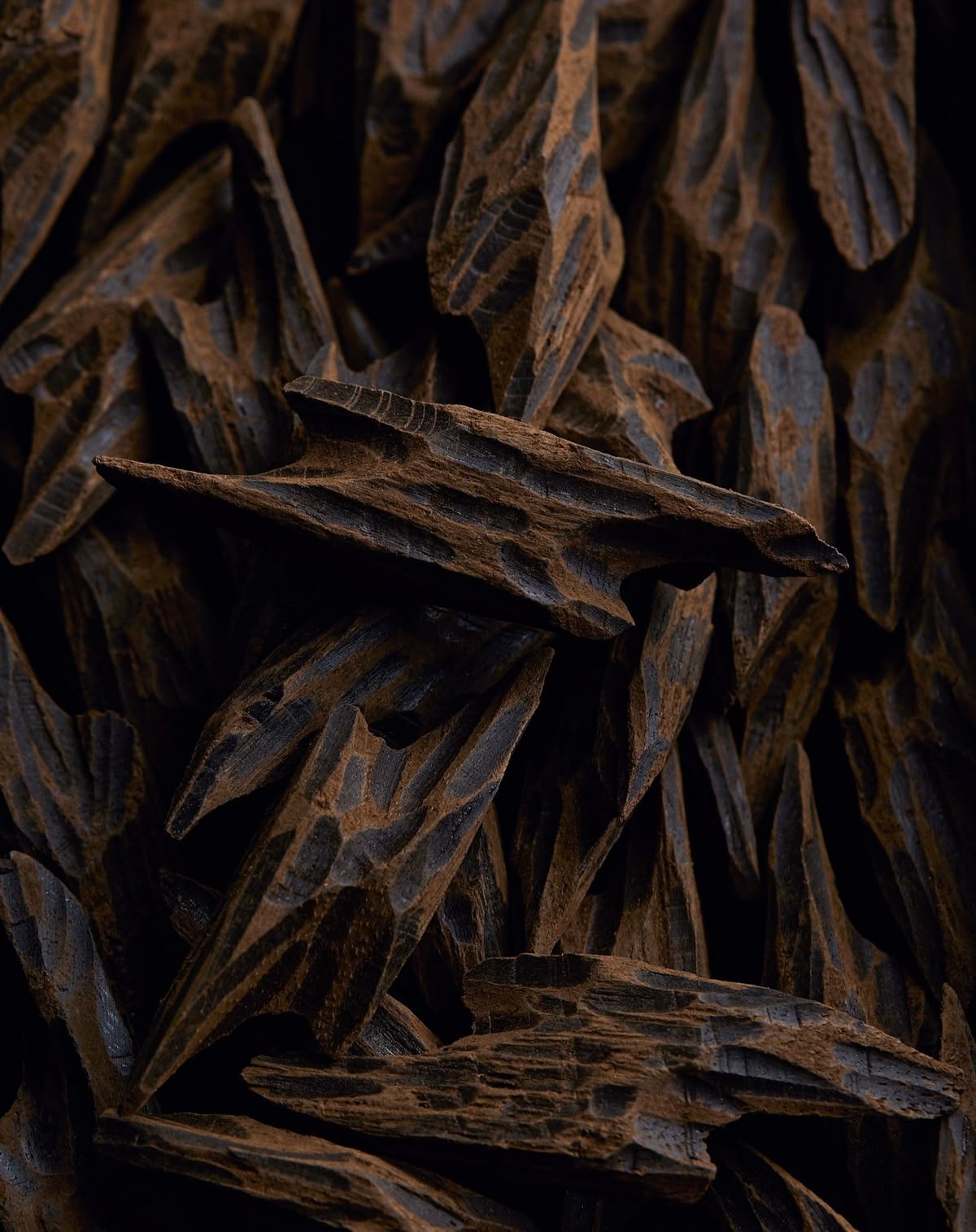
Indian oud carries the barnyard depth Gulf collectors swear by. Malaysian is dark, fermented, primal. Sri Lankan smells like the ocean and the forest had a quiet conversation. Bhutanese is cool and crystalline — altitude does something to resin that heat never will.
Multiple origins and counting.
The obsession is the same in every one.


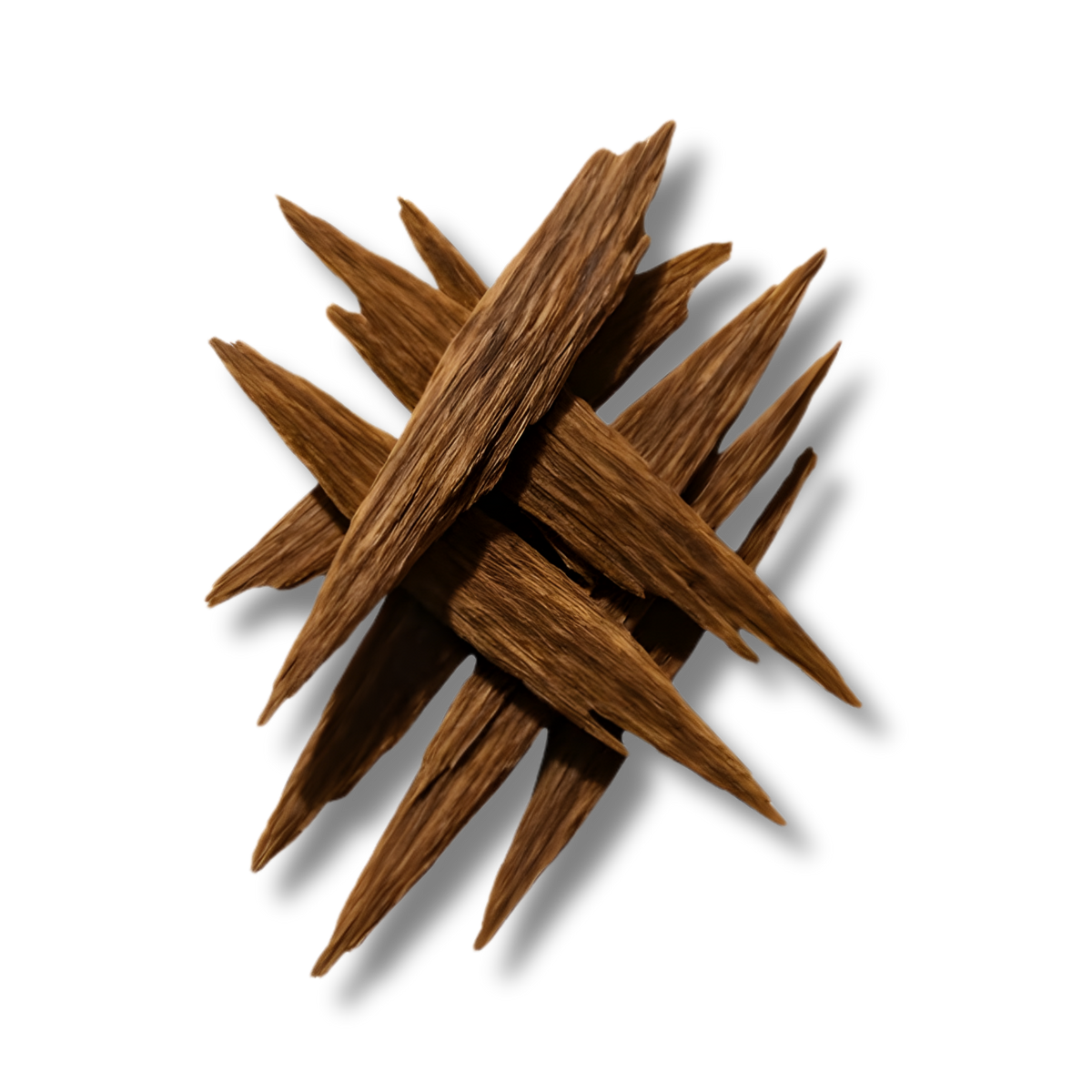
What We Always Swear By
Four standards we hold on every product we carry. No exceptions, no compromises.
Zero dilution. Zero synthetics. If it says oud, it's oud. |
|
Direct from named distillers. Ask us who. We'll tell you. |
|
Resin needs time. We don't sell wood or blend that hasn't earned it. |
|
Every product you see is reviewed by hand before it ships. By weight is easy. By eye is right. |